
There are three main heating methods for new energy vehicle (NEV) air conditioning systems: air heating, coolant heating, and heat pumps. Coolant heating is considered a leading direction for future NEV development because it can improve passenger heating comfort, while locating the electrically powered heating components in the front compartment offers greater safety and reliability. Based on the heating elements used, coolant heaters can be further classified into PTC heaters and HIC (thick-film heating) heaters.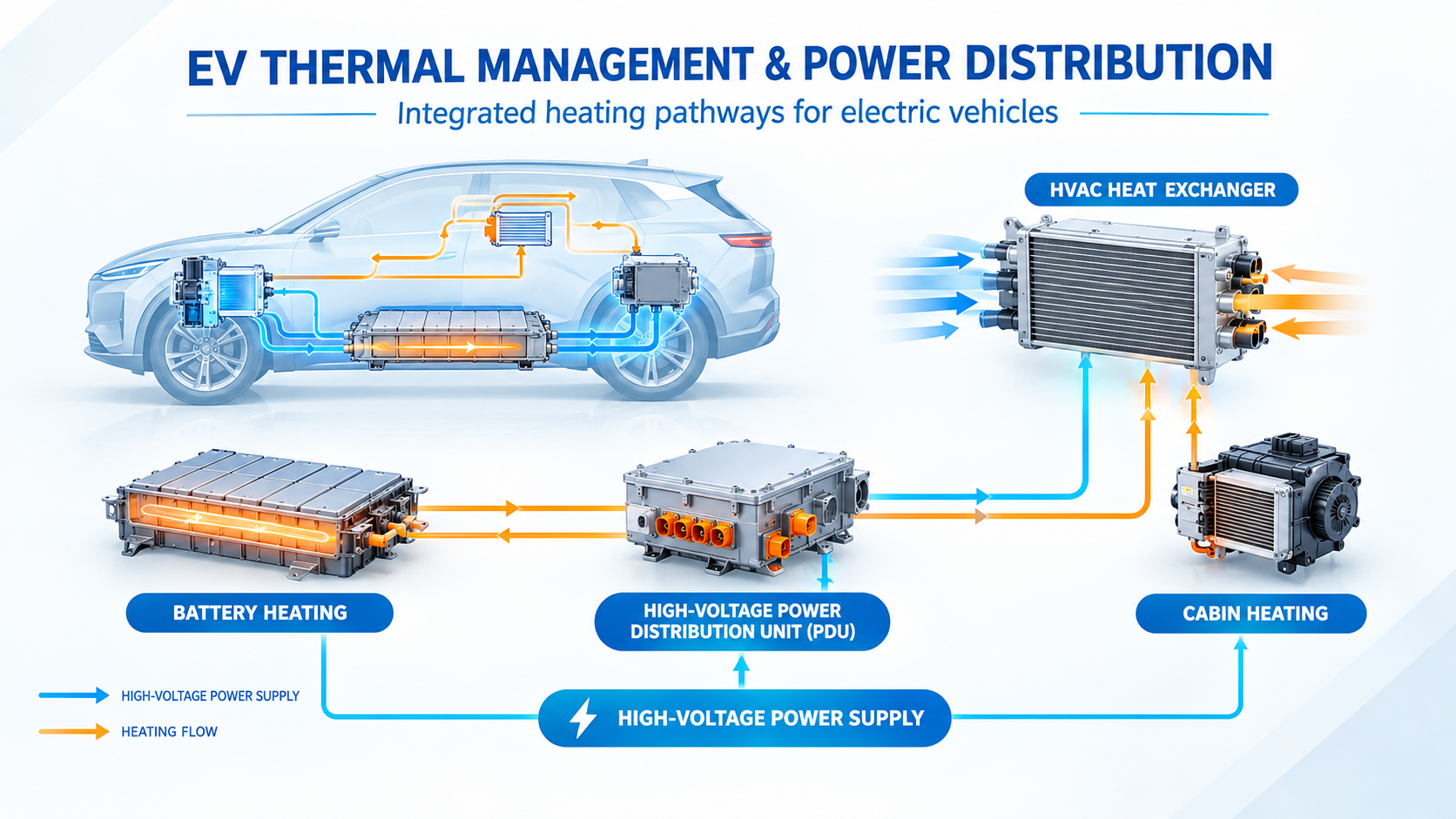
(Figure 1. Coolant Heater)
A PTC heater consists primarily of PTC ceramic heating elements and aluminum tubes. Both surfaces of the PTC elements require conductive electrode layers. Common coating methods include electroless nickel plating, sputtering, melt spraying, and printing, depending on the specific process requirements.
Compared with other methods, thick-film printing offers a relatively simple process and lower production costs. It helps maintain printing accuracy while reducing manufacturing costs for businesses.
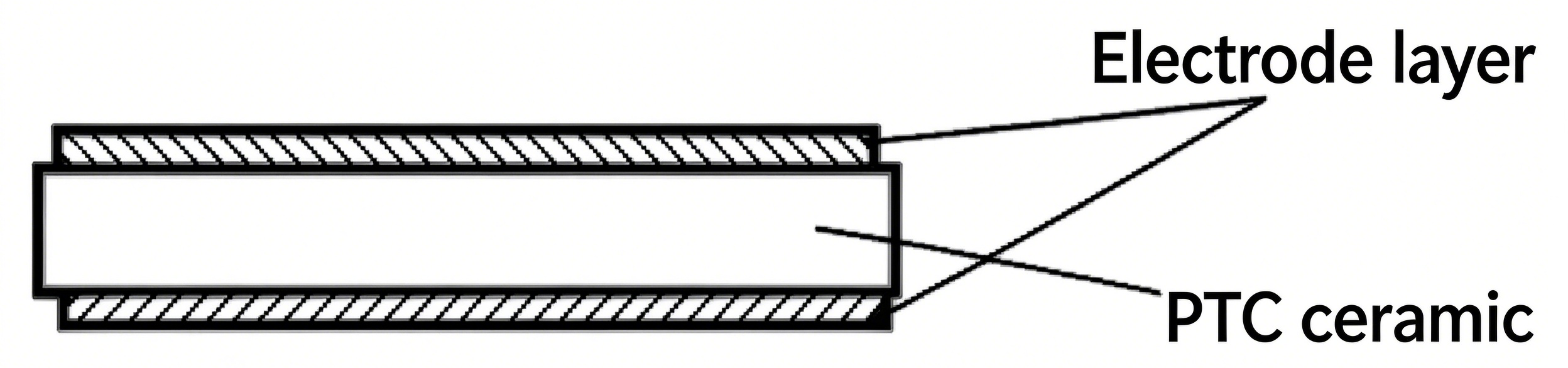
(Figure 2. PTC Electrode Structure | Image Source: Online)
HIC thick-film heaters are manufactured using thick-film printing technology. The printing process involves applying multiple layers of dielectric material (typically 4–6 layers), heating resistors, conductive materials, and protective dielectric coatings onto the substrate, followed by high-temperature firing. The total layer thickness typically ranges from 0.2 to 3 mm. Depending on the manufacturing process, the substrate can be designed in either a flat or tubular shape.
Compared with conventional PTC heating, HIC thick-film heaters offer higher heating temperatures and more uniform heat distribution. In addition, their relatively simple manufacturing process allows for a more streamlined heater assembly, helping reduce maintenance costs over the product's service life.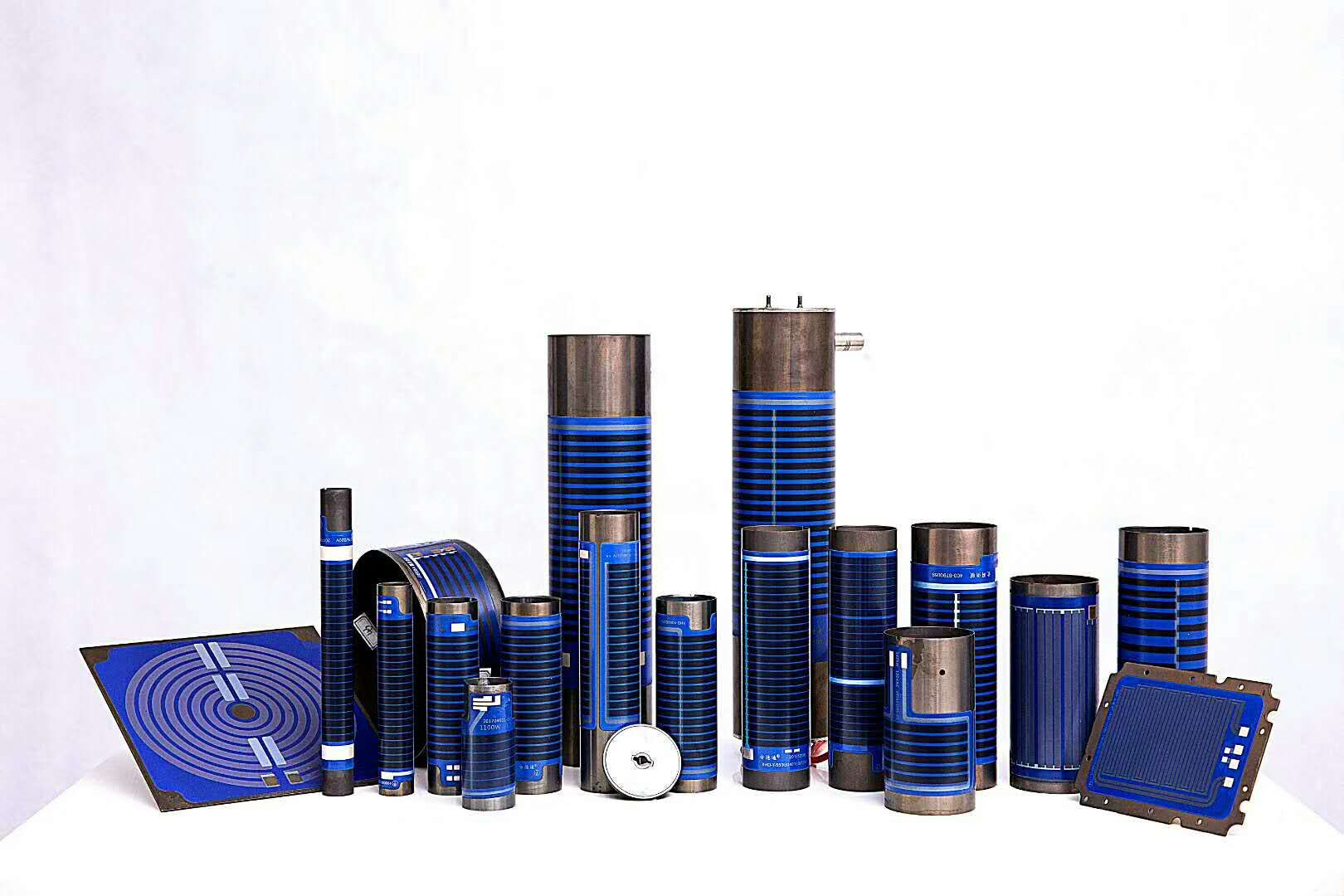
(Figure 3. Thick-Film Heating Element | Image Source: Online)
The printing process for PTC heaters is relatively simple, but high consistency in film thickness is essential. The JYUTEC IC-200A high-precision thick-film screen printer shown below is a suitable option, with film thickness deviation controlled within ±5%.
HIC thick-film heaters involve more complex printing processes, requiring high registration accuracy for multilayer printing and excellent resistance-value stability. For flat products, the JYUTEC IC-200A high-precision thick-film screen printer is recommended. For tubular products, the JYUTEC IC-560D high-precision thick-film screen printer is a suitable option. Both models offer printing accuracy of ±5 μm, with resistance deviation controlled within ±5%.
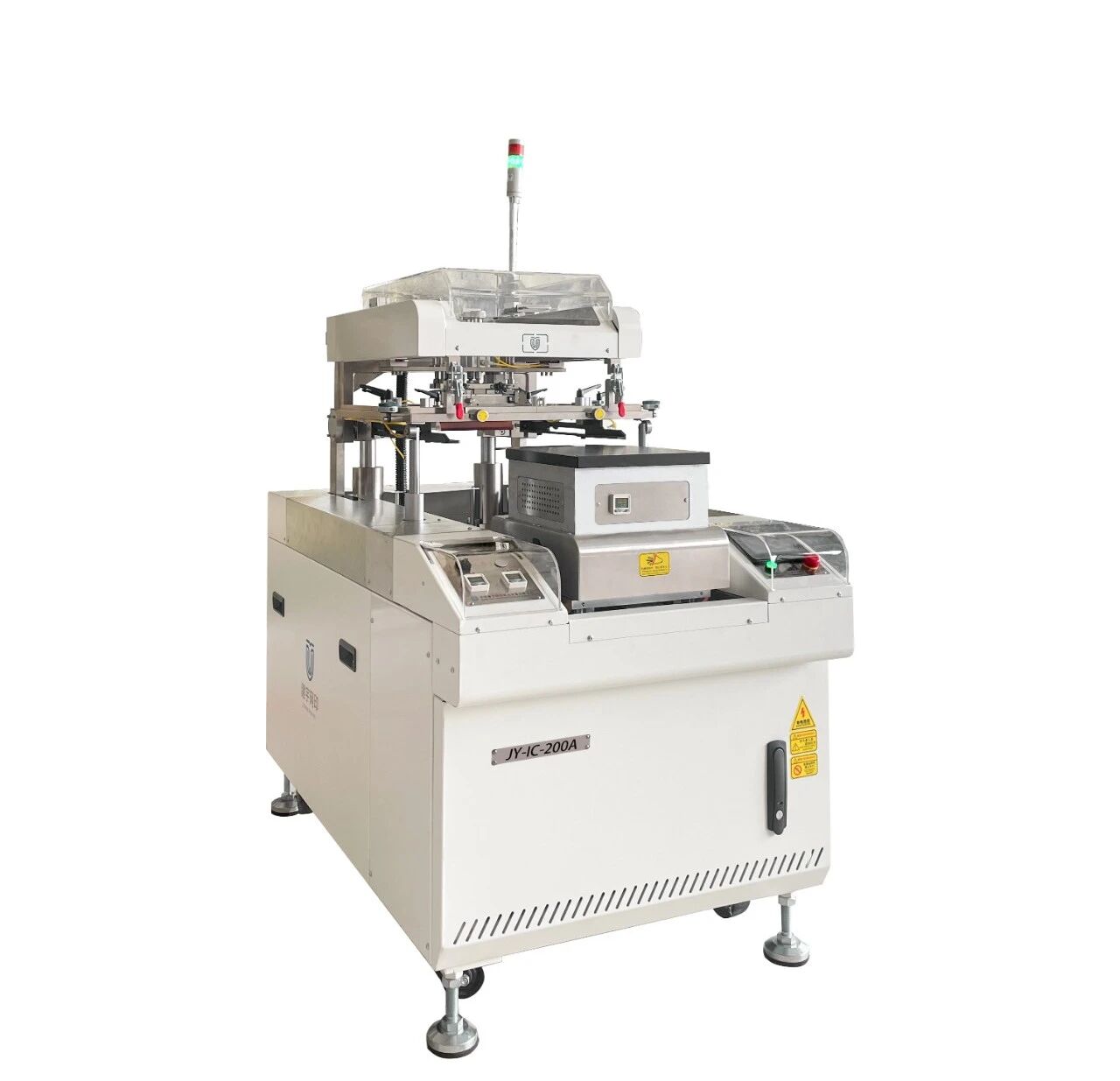
Maximum Printing Area: 200 × 200 mm.
Worktable Options:
Ceramic Vacuum Table: Designed for printing PTC heating elements. It provides reliable workpiece holding while minimizing the risk of ceramic substrate breakage.
Seamless Permanent-Magnet Holding Table: Designed for flat thick-film heating elements. It addresses deformation of metal workpieces after the first high-temperature firing, ensuring close contact between the workpiece surface and the table for improved printing stability.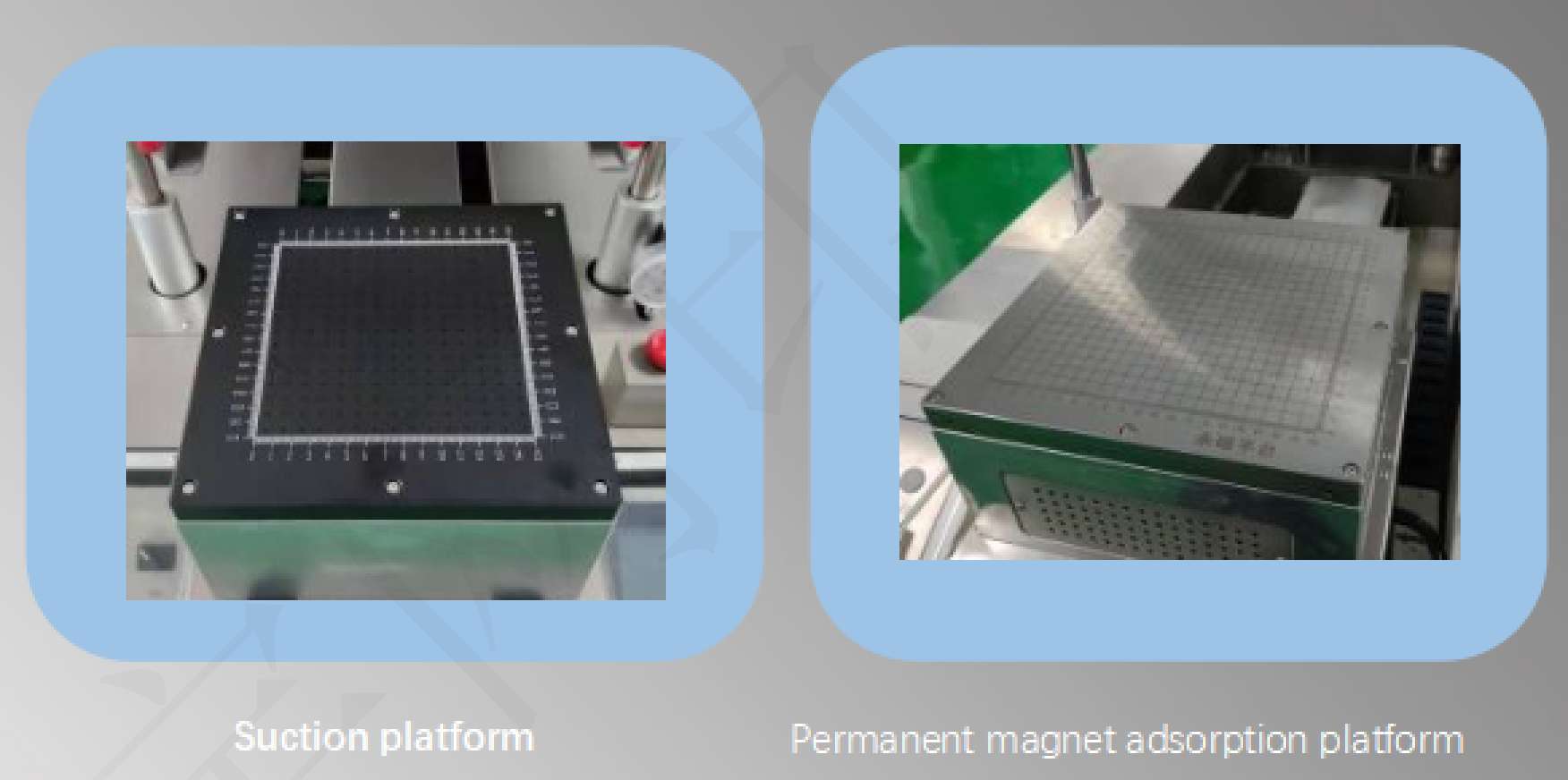
Printing Drive System: The printing stroke is driven by a servo motor and supported by high-precision imported linear guide rails, ensuring smooth, stable movement of the squeegee at a consistent speed. Following system-wide commissioning and calibration, the machine delivers uniform coating application, with film thickness deviation controlled within ±5%.
Worktable Drive System: The worktable is driven by a servo system, providing excellent operational stability and durability.
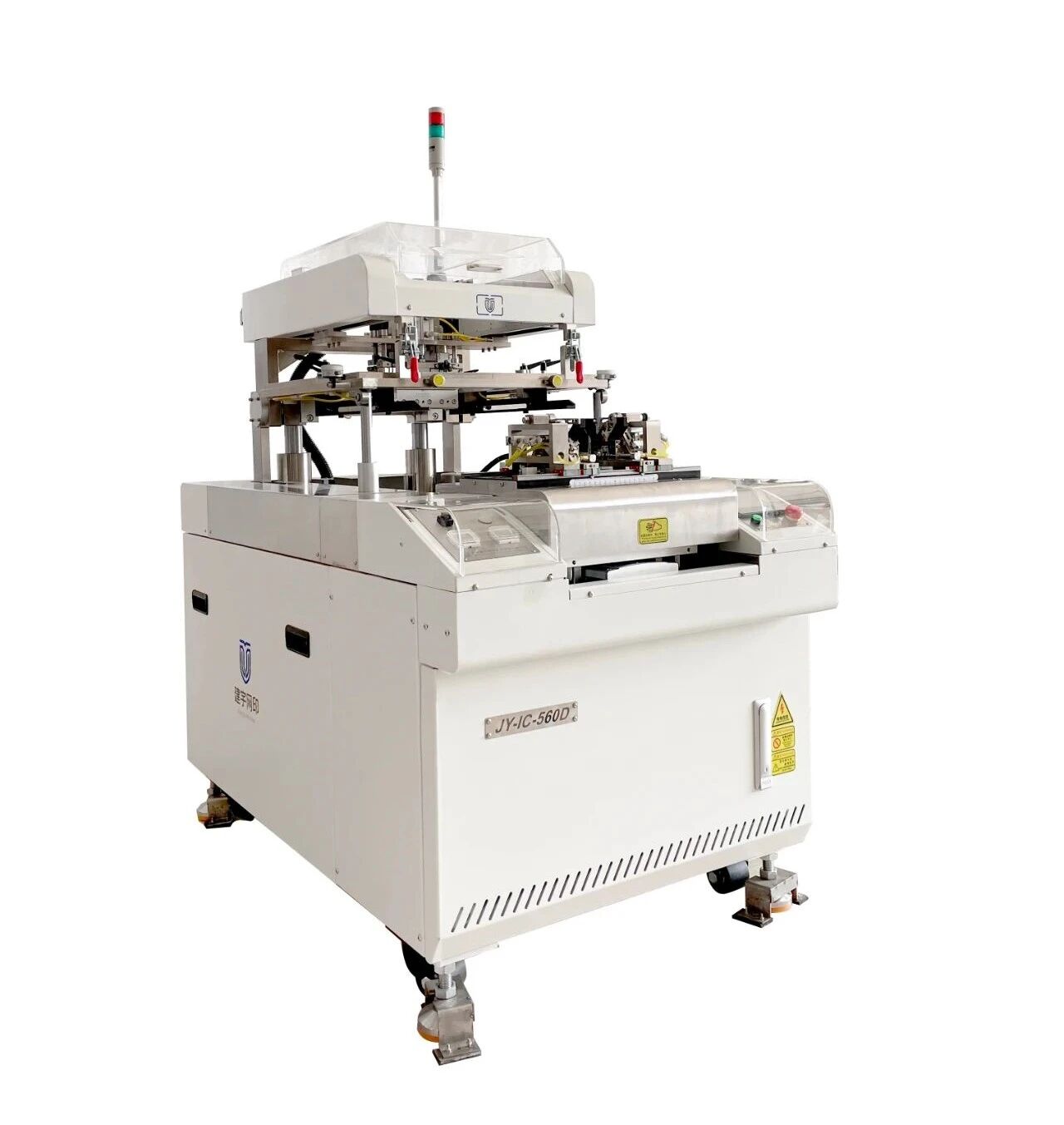
Printing Dimensions: Suitable for cylindrical workpieces with diameters ranging from 4 to 50 mm and printing lengths from 30 to 160 mm.
Open Design: The open structure allows cylindrical workpieces to be loaded and unloaded easily, improving operational convenience.
Fully Electric Drive System: The all-electric design enables efficient, smooth, and stable printing, with a registration accuracy of ±5 μm.
Applications: Suitable for thick-film screen printing on ceramic rods, cylindrical components, and stainless steel tubes.
High-precision thick-film printing technology is now used not only in the manufacturing of HIC coolant heaters for new energy vehicles but also in a wide range of other applications, including new energy vehicle batteries and pressure sensors.
As the new energy vehicle market continues to expand and technology advances, high-precision thick-film printing will play an increasingly important role in EV manufacturing. JYUTEC will continue to invest in innovation and development, optimize printing processes for specific applications, and deliver more reliable printing equipment and tailored solutions to support the advancement of thick-film printing technology in the electric vehicle industry.


